
When Cash Is the Best Medicine
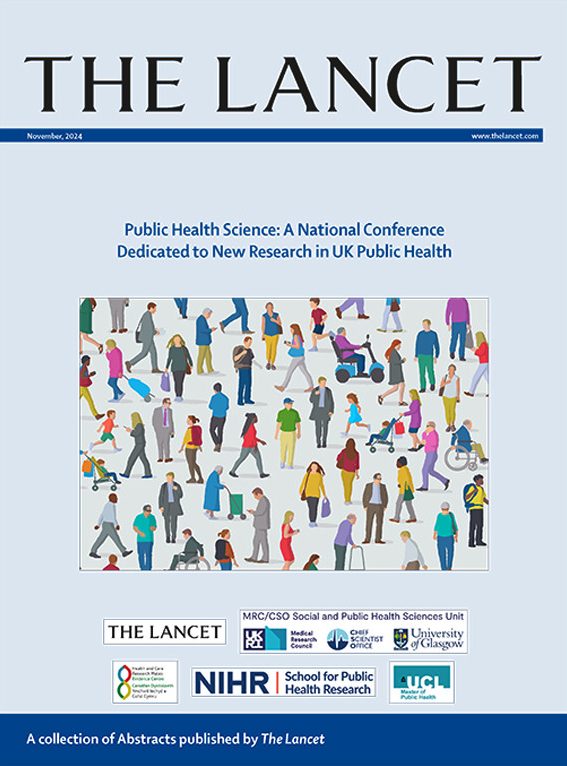
What if one of the most powerful medicines in global health isn’t a drug or vaccine at all, but cash? The Lancet seems to think so. In a recent piece titled “Why cash transfers matter for global health—now more than ever,” authors Davide Rasella and Natanael J. Silva highlight how government-led cash transfer programmes in low- and middle-income countries (LMICs) are delivering major health gains alongside poverty reduction.
Money That Saves Lives
Economic safety nets like conditional cash transfers were originally designed to fight poverty, but they’ve turned out to be stealth health interventions. Numerous studies link these programs to better health outcomes – sometimes dramatically so. How dramatically? Consider Brazil, where researchers found:
-
Tuberculosis: Incidence and deaths dropped by over 60% among Indigenous communities receiving cash aid.
-
HIV/AIDS: New infections and mortality fell by more than 50% among the country’s poorest individuals.
These aren’t typos – a bit of financial breathing room buys better food, housing, and care, and that quickly translates into better health.
No Magic Bullet: Context Matters
If cash handouts worked that spectacularly everywhere, every country would see identical results – but that’s not the case. Some cash transfer schemes show only modest health improvements, or benefits concentrated in certain areas but not others. For example, one multi-country review found that while child illness rates fell and clinic visits rose in some nations after cash stipends, other places saw little change on those fronts. Differences in program design and local conditions (like whether clinics are accessible) clearly influence the impact. In plain terms, cash alone isn’t a magic bullet for health – context is king.
Yet even with variability, the overarching trend is positive. Overall, these programmes tend to improve health outcomes more often than not. The Lancet authors note that despite some mixed results, the big picture is clear – putting money in the hands of the poor generally helps keep them alive and well.
GHC’s Take: Financing Outcomes & Innovation
These findings are more than just interesting statistics – they’re a call to action for how we finance and deliver health solutions. At Global Health Capital (GHC), we’ve always believed in outcomes-based financing – putting our money where the impact is. If a program can cut tuberculosis in half, that’s an outcome worth funding and scaling up.
This evidence also highlights the need for innovation in delivery. Cash alone works wonders, but cash plus clever delivery can do even more. Imagine integrating these programs with a digital platform like our own MediFlow to streamline payments, monitor health checkpoints, and connect people to care – making sure every euro not only arrives, but also helps deliver essential health services.
We’re here to back bold ideas that deliver real health outcomes, especially for communities left behind. Sometimes that’s a new clinic or breakthrough therapy; other times it’s backing an unconventional hero like a cash transfer program. The Lancet’s message – that fighting poverty can fight disease – is music to our ears. It reinforces what we stand for: financing health gains that change lives.
Sources: Davide Rasella & Natanael J. Silva, The Lancet (Nov 2025); UNICEF Transfer Project evidence.
Ready to Take Control of Your Finances?
Whether you’re starting out or scaling up, GHC gives doctors fast, flexible funding without the stress. No hoops. Just help.